
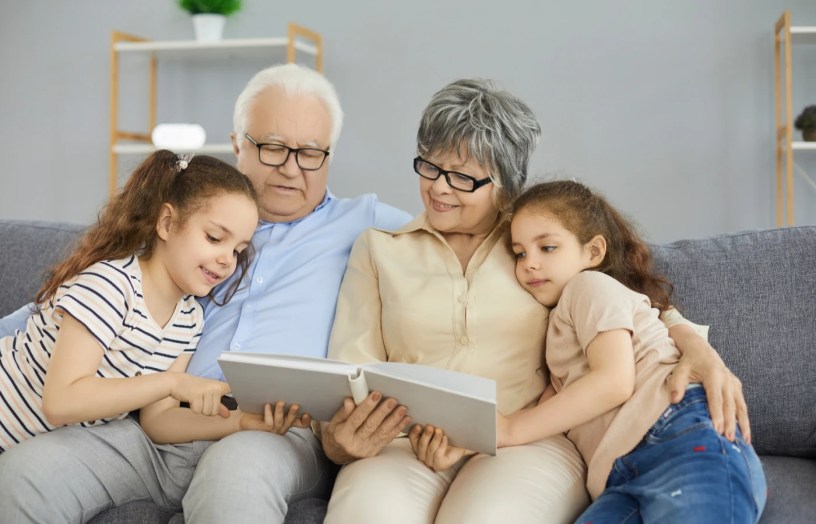
In today’s fast-paced world, families are continually evolving. Among the many dynamics at play, the role of grandparents stands out as a vital pillar of support, love, and wisdom. Their contributions are often overlooked in discussions about family structures, yet they are integral to fostering resilience, stability, and joy within families.
Emotional Anchors
One of the most significant roles grandparents play is that of emotional anchors. They provide a sense of continuity and belonging in an increasingly transient society. As families move for jobs or other opportunities, grandparents often serve as the stable force that keeps family traditions and stories alive. Their anecdotes of family history create a rich tapestry of shared experiences, helping younger generations understand their roots.
Grandparents also offer unconditional love and affection. This emotional support can be particularly vital in times of stress or uncertainty. Children benefit immensely from this nurturing relationship, which can boost their self-esteem and provide a safe space for exploration and growth.
Childcare and Support Systems
In many modern households, both parents work full-time. Grandparents frequently step in to fill the childcare gap, providing a reliable and trusted source of care. This arrangement not only alleviates some of the pressure on parents but also allows grandparents to maintain an active role in their grandchildren’s lives.
When grandparents are involved in daily care, they can impart valuable life lessons, from cooking and gardening to teaching values of kindness and patience. These hands-on experiences foster close bonds and create a nurturing environment where children feel secure and loved.
Bridging Generational Gaps
Grandparents serve as essential bridges between generations, helping to foster understanding and connection. They often possess wisdom that comes from years of experience, which can be invaluable to both parents and children. In conversations about modern issues—like technology or social dynamics—grandparents can provide perspective and historical context that enrich discussions within the family.
Moreover, this intergenerational dialogue can facilitate mutual learning. While grandparents can share their life lessons, they can also learn from the younger generations, embracing new ideas and perspectives. This exchange creates a dynamic where respect and admiration flow both ways, strengthening family bonds.
Cultural Preservation
In many cultures, grandparents are key figures in preserving traditions and cultural practices. They often share family recipes, customs, and rituals that connect younger generations to their heritage. This transmission of culture is crucial, as it helps children develop a sense of identity and belonging.
By engaging in storytelling, celebrating holidays, or practicing traditional crafts, grandparents keep these important aspects of culture alive. Their role as cultural custodians ensures that valuable legacies are passed down, fostering pride in one’s heritage and instilling values that might otherwise fade away.
Health and Well-Being
The benefits of having grandparents actively involved in family life extend beyond emotional support; they also positively impact physical health. Studies have shown that strong family connections can lead to lower stress levels, improved mental health, and even longevity.
For grandparents themselves, remaining engaged with their grandchildren can enhance their sense of purpose and reduce feelings of isolation. This mutual benefit cultivates a healthier family environment, where every member feels valued and connected.
Adapting to Change
As societal norms shift, so too do the roles of grandparents. Today, many are adapting to new family structures, including blended families or families with same-sex parents. In these scenarios, grandparents can play a critical role in fostering acceptance and inclusivity, helping to navigate challenges that may arise from differing family dynamics.
Additionally, the rise of technology has transformed how grandparents interact with their grandchildren. Video calls and social media platforms have made it easier to stay connected, allowing them to participate in their grandchildren’s lives even from a distance. This adaptability showcases the resilience of the grandparent-grandchild bond, proving that love and support can transcend geographical barriers.
Conclusion
The role of grandparents in modern families is multifaceted and indispensable. From being emotional anchors to cultural custodians, their contributions enrich family life in profound ways. As society continues to evolve, the importance of these cherished relationships remains unwavering. By recognizing and celebrating the role of grandparents, families can cultivate a nurturing environment that benefits all generations involved.
 Live Life News