
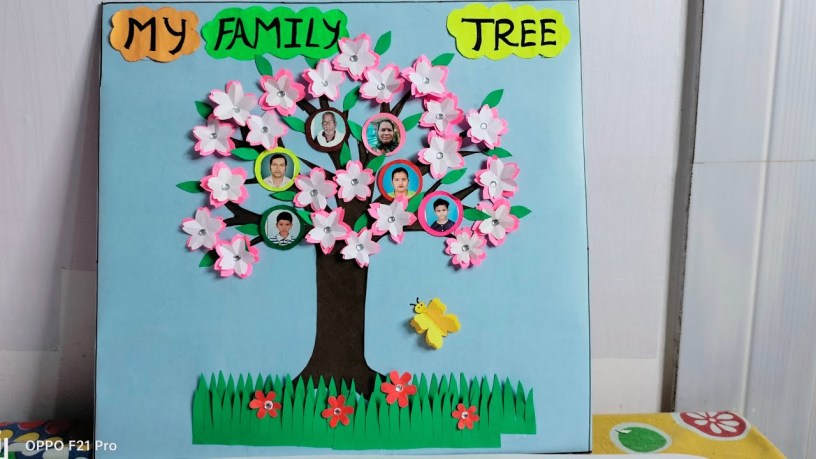
Delving into your ancestry can be a rewarding and enlightening experience, offering a glimpse into your family’s past and revealing stories that have shaped your identity. Starting a family tree project is not only a way to preserve your heritage, but it can also strengthen family bonds as you connect with relatives and explore shared histories. If you’re interested in embarking on this fascinating endeavor, here are essential steps to guide you through the process.
1. Set Your Goals
Before diving into research, it’s essential to establish clear objectives for your family tree project. Consider what you hope to achieve. Are you looking to trace your lineage back several generations, or are you more interested in learning about specific relatives and their lives? Perhaps you want to create a visual representation of your family tree to share with relatives. Setting goals will help you focus your research efforts and maintain motivation throughout the process.
2. Gather Existing Information
Start by collecting any existing family information. This includes documents, photographs, and oral histories passed down through generations. Speak with older relatives to gather their memories and anecdotes. Often, they hold valuable details about family members, traditions, and events that may not be documented anywhere else. Be sure to take notes or record conversations (with their permission) to preserve this information for future reference.
3. Organize Your Findings
As you collect information, organization is key. Create a system that works for you, whether it’s a physical binder or digital files on your computer. Use folders to categorize information by family branches, individuals, or specific time periods. Consider using family tree templates or software that allows you to input and visualize your findings easily. An organized approach will help you keep track of your research and make it easier to identify gaps or areas needing further exploration.
4. Utilize Online Resources
The internet is a treasure trove of genealogical resources. Numerous websites cater specifically to ancestry research, offering access to historical records, census data, and family trees created by others. Some popular platforms include Ancestry.com, MyHeritage, and FamilySearch. Many of these sites provide free access to a wealth of records, while others may require a subscription for advanced features.
When using online resources, take the time to verify the information you find. Cross-referencing data from multiple sources is essential to ensure accuracy. Keep track of your sources as well, as this will aid in validating your findings and provide context for future generations.
5. Explore Local Archives and Libraries
In addition to online resources, local archives, libraries, and historical societies can be invaluable for genealogical research. These institutions often house unique collections of documents, such as birth and marriage certificates, land records, and newspapers. Visiting in person allows you to connect with archivists or librarians who may offer insights or guidance on where to look next.
When planning your visit, contact the institution ahead of time to inquire about available resources and any specific records relevant to your research. This preparation will maximize your time spent in these valuable repositories.
6. Connect with Relatives
Building connections with extended family can be a rewarding aspect of your family tree project. Reach out to distant relatives who may have conducted their own research or possess information about your shared ancestry. Family reunions, social media platforms, and genealogy groups can facilitate these connections.
Creating a shared online platform, such as a family Facebook group or a dedicated website, can be an excellent way to gather and share information. This collaborative effort may unearth new insights and foster a sense of community among relatives as you work together to explore your shared history.
7. Document Your Findings
As your research progresses, it’s crucial to document your findings thoroughly. This includes not only the names and dates of relatives but also stories, photographs, and historical context that add depth to your family tree. Consider writing brief biographies for key family members, detailing their lives, accomplishments, and any notable events they experienced.
Maintaining a narrative element enriches the information you compile and creates a more engaging family history that future generations will appreciate. You might also consider creating a scrapbook or digital photo album to visually represent your findings.
8. Be Patient and Persistent
Genealogy can sometimes be a challenging pursuit. You may encounter roadblocks due to missing records, common surnames, or discrepancies in data. It’s important to remain patient and persistent. Take breaks when needed and revisit your research with fresh eyes. Sometimes stepping away allows for new insights to emerge.
Engaging with genealogy communities, whether online or in-person, can also provide support and encouragement. Fellow researchers may share tips or resources that can help you overcome challenges.
9. Share Your Findings
Once you’ve compiled a comprehensive family tree and gathered fascinating stories, consider sharing your findings with your family. This can be done through a family gathering, a printed book, or even a digital presentation. Sharing your research not only brings joy to relatives but also honors the legacies of those who came before you.
Encouraging family members to contribute their own stories or memories can enhance your family history and foster a sense of shared heritage. This collaborative effort can help keep family history alive and relevant for future generations.
10. Keep Learning
Genealogy is an ongoing process, and your family tree project can continue to grow over time. New records may become available, and family stories may unfold as you connect with more relatives. Stay curious and open to learning, and consider expanding your skills through workshops or online courses in genealogy.
By embracing the adventure of discovering your ancestry, you not only create a valuable record of your family’s history but also deepen your understanding of who you are and where you come from. This journey of exploration can forge connections that last a lifetime, weaving a rich narrative for generations to come.
 Live Life News