
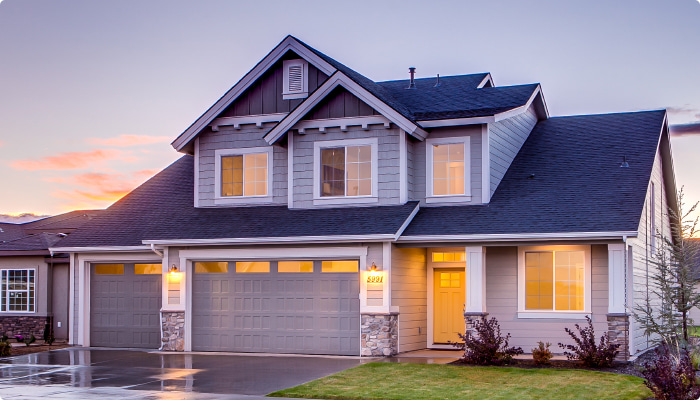
Creating a home is a personal endeavor that goes beyond mere functionality; it’s about crafting a sanctuary that reflects your identity and nurtures your well-being. The process involves careful consideration of various design elements, from spatial planning to decor choices. This guide aims to illuminate the essential aspects of home design, helping you build a space that resonates with your lifestyle and personality.
The Importance of Space Planning
Space planning is the foundation of any successful home design. It involves analyzing the layout of your home and understanding how different spaces will function together. The first step is to identify the primary activities that will take place in each room. For instance, a family room should be designed for interaction and relaxation, while a home office requires a more focused atmosphere.
Effective space planning also considers the flow between rooms. An open floor plan can create a sense of spaciousness, but it’s crucial to define areas within that space. This can be achieved through the strategic arrangement of furniture, use of area rugs, and incorporation of lighting fixtures. Clearly defined zones will enhance both functionality and aesthetics, allowing you to enjoy a well-structured living environment.
Harnessing Natural Light
Natural light is one of the most significant factors in creating a welcoming atmosphere. It can affect mood, energy levels, and even productivity. To maximize natural light, evaluate the placement of windows and consider how sunlight enters your home throughout the day.
Incorporating large windows, skylights, or sliding glass doors can flood your living areas with light. If privacy is a concern, sheer curtains can filter sunlight while still allowing it to illuminate your space. Additionally, reflective surfaces—such as mirrors and glossy finishes—can amplify the brightness, making even smaller spaces feel more expansive and inviting.
Choosing an Inspiring Color Palette
Color selection is a powerful tool in home design, as it influences the mood and character of each room. A well-thought-out color palette can create a harmonious flow throughout your home. Neutral tones, such as whites, grays, and beiges, provide a versatile foundation, allowing you to introduce accent colors through decor and furnishings.
When deciding on colors, consider the emotions you wish to evoke. Softer shades like pastel blues and greens can create a calming environment, perfect for bedrooms, while vibrant hues—such as yellows and reds—can energize social spaces like living rooms and kitchens. Experimenting with different combinations can help you discover a palette that resonates with your personal style and enhances the intended function of each area.
Furniture Selection and Arrangement
The furniture you choose plays a pivotal role in defining the style and functionality of your home. Select pieces that not only reflect your taste but also serve your practical needs. For example, if you enjoy hosting gatherings, invest in ample seating options that promote conversation and comfort.
The arrangement of furniture is equally important. Aim for layouts that facilitate movement and encourage interaction. Avoid overcrowding spaces, as this can create a feeling of chaos. Instead, strive for a balanced composition that enhances the aesthetic and functionality of your home. Consider using furniture to create intimate nooks or open spaces, depending on the atmosphere you wish to foster.
Personal Touches That Tell Your Story
A home should tell the story of its inhabitants, and personal touches are key to achieving this. Incorporate elements that reflect your experiences, interests, and values. Family photos, travel souvenirs, and unique artwork can add character and warmth, transforming your space into a genuine reflection of who you are.
Mixing different styles and eras can create an intriguing visual narrative. Consider pairing modern furniture with vintage decor or handmade pieces. Layering textures through throws, pillows, and decorative items can further enhance the cozy, inviting feel of your home.
Designing Inviting Outdoor Spaces
Outdoor areas are an extension of your living space and can significantly enhance your home’s appeal. Whether you have a sprawling garden or a modest balcony, well-designed outdoor areas provide opportunities for relaxation, socialization, and enjoyment of nature.
Create inviting outdoor retreats by incorporating comfortable seating, greenery, and ambient lighting. Planters, garden beds, and vertical gardens can introduce lushness, while strategically placed lighting can extend the usability of outdoor spaces into the evening. Thoughtfully designed patios or decks can become beloved gathering spots, allowing you to enjoy the beauty of the outdoors from the comfort of home.
Seamless Integration of Technology
Modern technology can enhance your home in ways that improve both convenience and security. Smart home systems allow you to control various aspects of your living environment—such as lighting, temperature, and security—from your mobile device or through voice commands.
When integrating technology, aim for a balance between functionality and aesthetics. Choose sleek, unobtrusive devices that blend with your design. Employing hidden wiring and strategically placed controls can maintain a clean, streamlined look, ensuring that technology enhances rather than detracts from your home’s character.
The Power of Finishing Touches
Final details can transform a good design into an extraordinary one. Accessories like artwork, plants, and decorative items add layers of interest and personality to your space. Choose pieces that resonate with your style and complement the overall aesthetic of your home.
Well-placed artwork can serve as a focal point, drawing attention and sparking conversation. Incorporating greenery through houseplants not only livens up your home but also improves air quality, creating a serene atmosphere that invites relaxation and connection.
Creating a home that resonates with your lifestyle is a rewarding endeavor. By thoughtfully considering each element of design—from space planning and color selection to personal touches and outdoor spaces—you can craft a sanctuary that nurtures and inspires. Your home should be a true reflection of who you are, making every moment spent within its walls all the more meaningful.
 Live Life News